
How to Choose the Right Dancehall Beat for Your Next Song
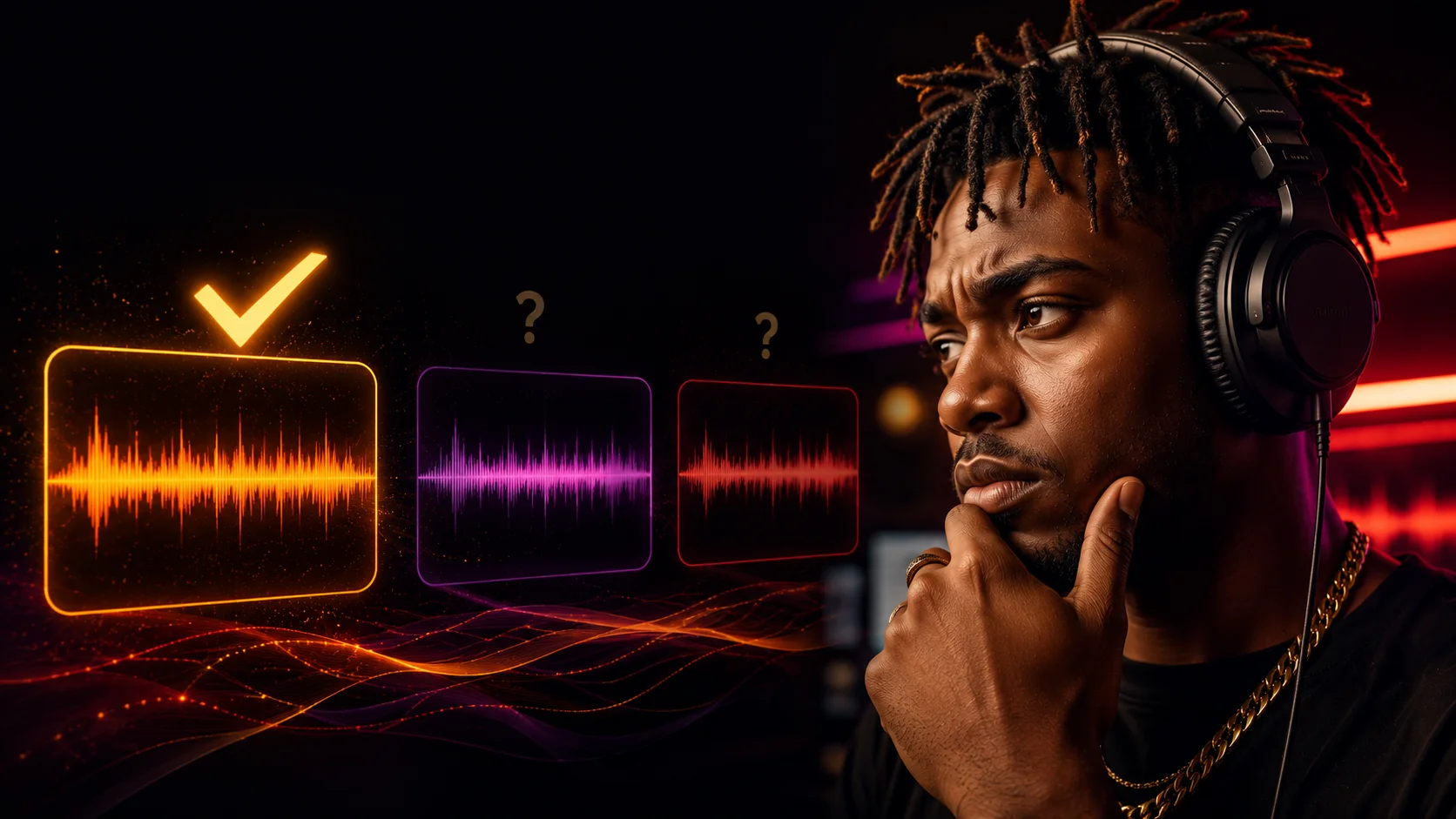
A strong Dancehall song starts with an instrumental that makes you want to move, write and perform.
However, choosing the right Dancehall beat involves more than finding a rhythm that sounds good on its own. The instrumental also needs to complement your voice, suit your flow and leave enough space for your lyrics.
Some artists sound best over energetic and bouncy production. Others need a smoother instrumental that supports melodic vocals, storytelling or a memorable chorus.
Understanding how to choose a Dancehall beat can help you avoid buying an instrumental that sounds impressive during the preview but becomes difficult to use once you begin recording.
In this guide, we will explain what to listen for, how to test a beat and how to find the right sound for your next release.
Start With the Type of Song You Want to Create
Before browsing beats, think about the purpose of the song.
Are you planning to create:
- An energetic club track?
- A melodic summer song?
- A romantic Dancehall track?
- A confident anthem?
- A laid-back Caribbean-inspired release?
- A Dancehall and Hip Hop crossover?
- A song designed for live performances?
The direction of your song will influence the type of beat you need.
An energetic track may require stronger drums and a more immediate rhythm. A melodic song may benefit from a smoother arrangement with additional space for singing and harmonies.
Choosing the song’s direction first will make it easier to recognise the right instrumental when you hear it.
Choose a Beat That Suits Your Voice
One of the most common mistakes artists make is choosing a beat they enjoy rather than choosing one that suits their voice.
Those two things are not always the same.
A beat may sound powerful through headphones, but your vocals might struggle to fit naturally over it. This can happen when the instrumental is too busy, the energy does not match your delivery or the key does not feel comfortable for your singing range.
When previewing a Dancehall beat, pay attention to how naturally your voice responds.
Ask yourself:
- Can I imagine a chorus immediately?
- Does my natural flow match the rhythm?
- Can I sing comfortably over the instrumental?
- Does the beat make me want to write?
- Is there enough space for my vocals?
- Can I hear myself performing the finished song?
The right beat should support your voice rather than compete with it.
Test the Beat Before Purchasing
Do not judge an instrumental from the first few seconds alone.
Listen through the introduction, verses, chorus sections and transitions. A beat may begin strongly but become too repetitive or crowded later.
Play the instrumental several times and test different ideas over it.
You can:
- Freestyle over the beat.
- Hum possible melodies.
- Test an existing verse.
- Record a quick voice note.
- Experiment with different flows.
- Try writing a short chorus.
Your test recording does not need to sound professional. Its purpose is to show whether your voice and the beat work naturally together.
When ideas arrive quickly, that is usually a positive sign. If you repeatedly struggle to find a flow, the instrumental may not be the right match for that particular song.
Listen to the Drum Pattern
The drums are one of the most important elements of a Dancehall beat.
They determine the movement, bounce and overall energy of the instrumental. Your vocal rhythm will often respond directly to the placement of the kick, snare and percussion.
Some Dancehall beats have a relaxed groove that works well with smooth melodic vocals. Others have a stronger bounce that may suit energetic rap, chanting or short rhythmic phrases.
While listening, notice whether the drum pattern encourages you to:
- Sing longer melodies
- Deliver short rhythmic lines
- Use a fast flow
- Leave pauses between phrases
- Create a repetitive hook
- Move between singing and rapping
There is no single drum pattern that works for every artist. The best option is the one that supports your natural delivery.
Look for Space in the Instrumental
A beat does not need to be filled with instruments to sound professional.
In many cases, space is what allows an artist to create a memorable performance.
If the instrumental already contains constant melodies, vocal samples, effects and percussion, your vocals may struggle to stand out. This can make the final song feel crowded.
A well-balanced Dancehall beat should provide room for:
- Lead vocals
- Backing vocals
- Ad-libs
- Harmonies
- A clear chorus
- Creative vocal effects
When listening to a preview, imagine your vocals sitting in the centre of the mix.
If you cannot identify where your verse or chorus would fit, consider testing another beat with a cleaner arrangement.
Decide Between a Bouncy or Melodic Sound
Dancehall production can support many different vocal styles.
Bouncy Dancehall Beats
Bouncy instrumentals can work well for:
- Energetic artists
- Confident lyrics
- Party songs
- Dance-focused releases
- Short and memorable hooks
- Dancehall and Hip Hop crossover tracks
Artists looking for this kind of energy can preview 22 – Bouncy Dancehall/Hip Hop from the Wassmuffin beat collection.
Its Dancehall and Hip Hop direction makes it a suitable option to test with rhythmic rap verses, melodic hooks or a mixture of both.
Smooth and Melodic Dancehall Beats
A smoother beat may be better for:
- Melodic singers
- Romantic songs
- Reflective lyrics
- Laid-back summer releases
- Vocal harmonies
- Artists who move between singing and rapping
For this direction, preview AURORA – Dancehall/Hip Hop.
AURORA can be tested by both singers and rappers looking for a Dancehall-inspired foundation with Hip Hop influence.
Direct Dancehall Production
Artists who want a more clearly defined Dancehall direction can also explore MONEY – Dancehall Beat.
Test it with different chorus ideas and vocal rhythms before deciding which licence best supports your project.
Consider How the Beat Develops
A complete song needs movement.
Even when the main rhythm remains consistent, the arrangement should give the artist opportunities to build energy and maintain the listener’s attention.
Listen for changes such as:
- Instruments entering or leaving
- Drum variations
- Breakdowns
- Chorus transitions
- Short pauses
- Effects before major sections
- A clear ending
These changes can help separate your verse, pre-chorus and chorus.
A beat with no variation may become difficult to develop into a complete song. On the other hand, an arrangement with too many changes may restrict your vocal ideas.
Choose a structure that gives you creative freedom while still guiding the song forward.
Think About Your Chorus First
A memorable chorus is often one of the most important parts of a Dancehall track.
Before buying a beat, test whether you can create a hook that feels natural and repeatable.
The chorus does not need to be complicated. It could be based on:
- A strong melodic phrase
- A repeated lyric
- A call-and-response idea
- A rhythmic chant
- A simple title phrase
- A mixture of melody and rap
Try recording two or three chorus ideas over the preview.
When one idea continues to stay in your head after the beat stops playing, the instrumental may have strong potential for your song.
Make Sure the Beat Matches Your Energy
Your vocal personality matters.
An aggressive performer may feel restricted by an instrumental that is too soft. A smooth singer may struggle over a beat that is extremely intense or crowded.
Think honestly about your strongest qualities as an artist.
Are you naturally:
- Energetic?
- Melodic?
- Calm?
- Aggressive?
- Playful?
- Emotional?
- Rhythmic?
- Story-focused?
You do not need to copy the energy of another artist. Choose a beat that helps your own personality become more noticeable.
The objective is not to sound like everyone else using Dancehall production. It is to find a beat that helps listeners recognise your voice and style.
Think About the Audience and Release Plan
Consider where and how the finished song will be heard.
A song intended for clubs or live performances may need immediate energy and a strong, simple hook.
A streaming-focused release may benefit from a quick introduction and an early vocal entry. A more emotional song may need time to develop and allow the listener to connect with the lyrics.
Ask yourself:
- Where will people hear this song?
- Is it designed for dancing or close listening?
- Will I create a music video?
- Do I plan to perform it live?
- Is it a single, mixtape track or album song?
- How much will I invest in promotion?
The answers will help you choose both the right beat and the appropriate licence.
Understand the Licence Before You Buy
When you buy a beat online, you are normally purchasing permission to use the instrumental according to a licence agreement.
Different licence options may include different:
- Audio file formats
- Streaming allowances
- Sales limits
- Music video rights
- Live performance rights
- Track stems
- Commercial usage conditions
Wassmuffin beats are currently offered with multiple licence options, allowing artists to select a package based on their project and release plans.
Review the terms carefully before completing your purchase. Do not automatically choose the cheapest option without checking whether it includes the files and usage rights you need.
For example, an artist planning a professionally mixed commercial single may require different files and rights from someone recording an early demo.
Recommended Wassmuffin Dancehall Beats
Here are three instrumentals to preview when searching for a Dancehall-inspired sound.
AURORA – Dancehall/Hip Hop
Consider AURORA when you want to test melodic vocals, rhythmic verses or a Dancehall and Hip Hop crossover approach.
Try writing a simple chorus first, then test whether the verses flow naturally around it.
Best to test for:
- Melodic vocals
- Dancehall and Hip Hop crossover songs
- Smooth rap delivery
- Summer-inspired releases
- Singers and rappers
22 – Bouncy Dancehall/Hip Hop
Consider 22 when your song needs more bounce and movement.
Test it with energetic verses, shorter vocal phrases and a direct chorus that listeners can remember quickly.
Best to test for:
- Energetic delivery
- Bouncy hooks
- Party-inspired tracks
- Rhythmic rap vocals
- Dance-focused releases
MONEY – Dancehall Beat
Consider MONEY when you want to explore a direct Dancehall direction.
Experiment with melodic hooks, confident lyrics and a vocal rhythm that responds closely to the beat’s movement.
Best to test for:
- Dancehall vocals
- Melodic hooks
- Confident songs
- Caribbean-inspired releases
- Singing and rapping combinations
Every artist has a different voice, so preview each instrumental before deciding which one works best for you.
Common Mistakes When Buying Dancehall Beats
Following Trends Without Considering Your Voice
A popular sound will not automatically suit your delivery.
Use trends for inspiration, but choose an instrumental that highlights your own strengths.
Purchasing Before Testing a Chorus
A beat may work for a verse but become difficult when you try to create a memorable hook.
Always test at least one chorus idea before buying.
Ignoring the Licence Terms
The audio preview is only one part of the purchase.
Check the included files, usage rights, streaming limits and credit requirements.
Choosing an Instrumental That Is Too Busy
A crowded arrangement can make mixing difficult and reduce the impact of your vocals.
Look for enough space to add lead vocals, backing vocals and ad-libs.
Copying Another Artist Too Closely
References can help you communicate your desired direction, but your final song should still represent your own voice.
Use the beat to develop your identity rather than recreate another artist’s release.
A Quick Checklist Before Purchasing
Before choosing your Dancehall beat, confirm that:
- The beat suits your natural voice.
- You can imagine a clear chorus.
- Your flow fits the drum pattern.
- The instrumental leaves room for vocals.
- The arrangement has enough variation.
- The energy matches your song idea.
- You understand the licence terms.
- The selected licence includes the files you need.
- You have tested the beat with a rough recording.
- You feel motivated to complete the song.
When most of these points are clear, you are more likely to choose an instrumental that supports a complete release rather than an unfinished idea.
Find Your Next Dancehall Beat
The right Dancehall beat should inspire ideas while giving your voice enough room to lead the song.
Take time to preview different instrumentals, test your chorus and consider how the finished track will connect with your audience.
Explore AURORA – Dancehall/Hip Hop, 22 – Bouncy Dancehall/Hip Hop, MONEY – Dancehall Beat and the rest of the Wassmuffin collection.
Choose your beat, review the available licence options and start developing your next release.
Frequently Asked Questions
Where can I buy Dancehall beats online?
You can browse Dancehall, Hip Hop, Trap and melodic beats through the Wassmuffin online beat shop. Preview the available instrumentals and review the licence options before purchasing.
How do I know whether a Dancehall beat suits my voice?
Freestyle, sing or record a short voice note over the preview. The beat should allow your natural vocal tone and rhythm to fit without forcing your delivery.
Can a rapper use a Dancehall beat?
Yes. Dancehall and Hip Hop can work well together. Rappers can test rhythmic verses, melodic hooks or a combination of singing and rapping.
What should I check before buying a beat?
Check the audio files, licence terms, streaming allowances, music video rights, performance rights, producer-credit requirements and whether track stems are included.
Should I choose a bouncy or melodic Dancehall beat?
Choose based on your voice and song idea. Bouncy beats may suit energetic performances, while melodic production may work better for singing, harmonies and reflective lyrics.
Can I release a song made with a licensed beat?
A suitable commercial licence will normally provide permission to release the finished song according to its conditions. Always read the specific agreement before distributing your music.
Do I need an exclusive licence?
Not every artist needs an exclusive licence. A non-exclusive option may be suitable for many independent releases. Choose the licence based on your budget, expected audience and commercial plans.
Continue Reading
- How to Choose the Right Beat for Your Voice
- Exclusive vs Non-Exclusive Beat Licences: Which One Should You Buy?






Comments
This post currently has no comments.